
来源:财经会议圈

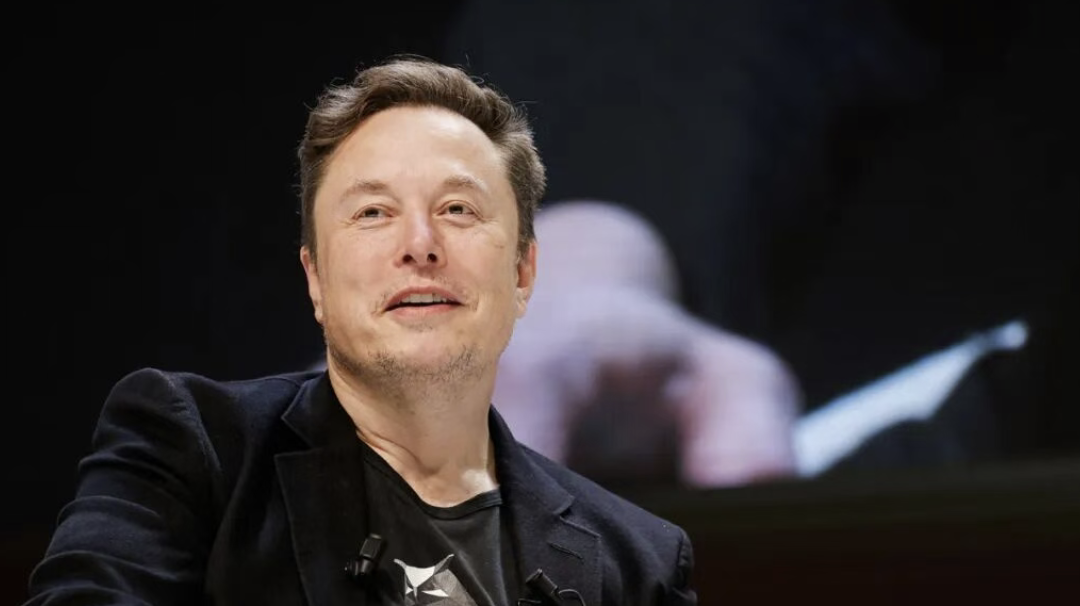
马斯克在二十国集团(G20)创新部长级会议上通过视频连线发言
马斯克又一次炸场了!
刚刚落幕的G20峰会上,他发表的这场演讲,浓缩了近几年所有核心观点与认知精华。围绕AI办公、人形机器人、全球电力格局,马斯克抛出两个重磅核心判断、一个关键预警吐槽,信息量炸裂,甚至公开放话,愿意重金和全世界打一场未来趋势的世纪豪赌。
先来说第一个颠覆性AI预判:
未来12到18个月,也就是明年年底,AI将替代所有纯电脑线上工作。
马斯克给出了明确的时间节点,还用了一个专业术语——Stockfish级别。
熟悉国际象棋的都知道,Stockfish是顶尖AI棋类程序,如今已经能轻松碾压所有人类顶尖棋手,毫无对手。
在他看来,现阶段的人类程序员,无论代码质量、产出效率,已经完全无法和AI抗衡。但这仅仅只是开端。
到2027年底,被替代的不只是编程岗位。
所有无需实体操作、纯数字化、线上化的工作,AI都能高效、高质量完成。
单单这一项行业变革,就能拉动全球经济增长20%—30%,每年新增20到30万亿美元的经济增量。这个体量,几乎等同于一个中国经济体的全年总量,变革力度可想而知。
而这,仅仅是AI时代的序幕。
紧接着是第二个人形机器人终极预判:
十年之内,地球将诞生至少10亿台人形机器人。
马斯克认为,用不了多久,人形机器人就会实现自我生产、自我迭代。一旦这套递归生产模式启动,行业会进入滚雪球式的爆发增长。
单台人形机器人的生产力,最低是普通人类的5倍。届时,10亿台机器人的整体生产力,将远超当下全球所有人类的生产力总和。
很多人疑惑:既然前景这么广阔,为什么人形机器人的发展速度,远不如AI软件?
马斯克也给出了核心答案:
数字化变革无门槛、可快速复制,实体产业永远更慢、更复杂。
AI软件代码可以无限复制、快速迭代,但人形机器人属于实体产品,需要完整的供应链、生产体系、产业链配套,高度依赖全球化体系,落地难度天差地别。
同时他给出了通用机器人的核心成长公式:
通用机器人能力 = AI软件水平 × AI芯片水平 × 机电灵巧度(核心是灵巧机械手)。
目前这三大核心要素,全都处于指数级增长状态,且三者是相乘赋能关系。这也意味着,人形机器人行业会呈现典型的“先慢后快”特征:前期迭代极其缓慢,一旦突破临界点,就会迎来超出所有人想象的爆发式增长。
讲完两大核心预判,马斯克抛出了最关键的年度预警,也是他的重磅吐槽:
历史性全球用电荒,明年将全面爆发。
逻辑非常直白且残酷:
全球AI芯片产能每年暴涨50%,但海外各国的电力装机容量、电力产能增速,仅有可怜的10%。
供需缺口极其惊人,电力缺口高达15G瓦。
这个数据是什么概念?接近三峡电站总装机容量的三分之二。更关键的是,这还不是整体电力需求缺口,只是AI行业带来的新增电力缺口。
马斯克直言:中国拥有全球顶尖的超大发电量,可惜诸多外部因素导致产能无法充分释放,这恰恰是其他国家抢占AI赛道的绝佳机会。
透过言论看布局,马斯克早已提前落子,完成了全产业链闭环布局,动作快得超乎想象:
1月底,SpaceX申请建设太阳能驱动的轨道AI数据中心,打通清洁能源与算力底层;
2月,火速收购xAI,将海量数据与算法体系接入SpaceX生态;
3月,联合特斯拉落地专属芯片计划,夯实AI硬件底座;
8月,敲定首期168亿美元重磅投资,同时完成核心生态企业收购。
如果说xAI是整套生态的“大脑”,X平台是实时全球信息库,那么新接入的生态体系,就是AI落地执行的“双手”,实现从思考、感知到实操的完整闭环。
不止于此,马斯克团队还对外出租高端算力,供给谷歌、Anthropic等头部科技企业;特斯拉Optimus人形机器人生产线,也在稳步落地、持续量产。
当所有科技企业还在内卷模型参数、争抢行业人才的时候,马斯克已经顺着算力、电源线,一路卷到了芯片、发电、航天底层基建,打通了AI时代的全产业链路。
不得不说,马斯克一直在为全人类勾勒未来蓝图。
我们不得不承认,他过往的很多时间预判总会略有推迟,但他的资金投入、工程落地、团队布局,永远在朝着既定方向稳步推进,从未止步。
以下 为中英演讲全文
马斯克在G20创新部长级会议上的发言(中文全文)
时间:2026年9月1日(美国当地时间周二)
场合:G20创新部长级会议(Innovation Ministerial),美国北卡罗来纳州教堂山(Chapel Hill)
形式:马斯克视频连线,与白宫科技政策办公室主任迈克尔·克拉茨欧斯(Michael Kratsios)问答对话,全程约13分钟
迈克尔·克拉茨欧斯 [0:00]
好。首先,我们的第一位发言嘉宾是埃隆·马斯克。作为特斯拉和SpaceX的首席执行官,埃隆已经证明,攻克物理和工程领域的挑战,有时比冲破官僚主义的繁文缛节还要容易。而他在两方面的不懈投入,一直激励着世界各地的人们。埃隆,感谢你的加入。我们刚刚结束开场环节,在会上我们明确了:在本届主席国任期内,我们认为经济增长对在座所有人都至关重要,而技术是其中的重要组成部分。你长期身处这一领域的前沿。我们想与你探讨的一个关键问题是:你在全球多个国家推动创新,在你看来,是什么把那些能让创新者成功将突破转化为实际部署技术的国家,与那些进展最终停滞的国家区分开来?我认为,关于各国政府应该做什么、或许不应该做什么,有很多经验教训可以汲取。
埃隆·马斯克 [1:11]
嗯,是的,我想很多人都讨论过这一点,而且坦率地说,我认为其中一些非常直白:你必须拥有一个监管相对较少的环境,这意味着新事物必须是“默认合法”的,而不是“默认非法”的。
例如,在欧盟,我们发现监管水平异常之高,而且事物通常是“默认非法”的,这抑制了所有新技术的进步。它会拖慢进度,虽然不会最终阻止,但会大大延缓。
当然,你还需要有风险投资家,以及一个支持新公司的环境。你可以把新公司想象成森林里的小树苗。大多数国家通常的做法是,它们倾向于为森林里现有的“大树”提供过多支持,而为“小树苗”提供的支持却不够。
但大树并不需要它们的支持。需要支持的是小树苗,也就是初创公司。因此,整个系统应该普遍偏向于支持小树,而不是大树。但情况很少如此,因为大公司通常能够接触到国家领导层,而小型初创公司则不能。所以,你确实需要培育年轻公司的成长,并在那方面采取积极措施。并且,就像我说的,让事物“默认合法”,而不是“默认非法”。
迈克尔·克拉茨欧斯
许多国家面临的一个问题是关于采用(adoption)的问题。我认为,人们普遍认识到,采用新兴技术对经济增长非常有益,无论国家的大小或形态如何。你如何看待采用问题?各国应该采取什么措施来鼓励采用?这又回到了同样的监管结构问题吗?还是你如何看待采用作为增长的关键驱动力?
埃隆·马斯克
是的。我认为,对于新技术,你应该采取一种“积极向前、尝试新技术”的态度,而不是固步自封。当然,新技术需要一些鼓励,我认为应该被接纳。
我们将看到,并且实际上正在看到,人工智能带来的显著生产力提升,而且我们将看到机器人技术带来的非常巨大的生产力提升。像特斯拉自动驾驶汽车这样的技术,对用户来说将是一个巨大的利好,或者说已经是一个巨大的利好了。而且我认为人形机器人将带来令人难以置信的改变。
我想给大家一个大致的规模概念:我认为人工智能大概会把全球经济总量提升20%到30%。这是我的粗略估计,也就是说,每年大约增加20到30万亿美元。而且,人工智能将能够处理任何数字化的事情,任何不需要手工改变原子形态的事情,大概到明年年底就能实现。
我相信大家都知道,人工智能在软件方面已经非常出色了。而且它正在达到这样一个程度:人工智能不仅会擅长软件,它会达到我所说的“Stockfish级别”的优秀。Stockfish是一个国际象棋程序,可以非常轻松地击败世界上最优秀的棋手。事实上,现在你都可以在手机上运行Stockfish,然后在国际象棋上击败马格努斯·卡尔森。
我的预测是,明年的某个时候,人工智能软件会变得如此出色,达到Stockfish的水平,这意味着人类在编写软件方面将无法与人工智能竞争。人工智能会在软件领域碾压所有人类。而且我认为它会在所有形式的工程和任何数字领域都变得极其优秀,可能达到Stockfish级别,但肯定极其优秀,确切地说,就在12到18个月内。
迈克尔·克拉茨欧斯
我想其中……
埃隆·马斯克
抱歉,请允许我再补充一点。全球经济增长20%到30%,我们谈论的是相当可观的繁荣,而这仅仅来自数字化的人工智能。但是,基于机器人技术,基于人形机器人,基本上可以把它想象成一个通用目的机器人的人工智能,我认为我们将看到全球经济总量成倍增长。意思是,你可以让经济增长10倍甚至更多。
迈克尔·克拉茨欧斯
这些都是令人难以置信的数字。是的,我刚才正要说。我们给在场各位提供的一个数据是,自ChatGPT推出以来的四年里,全球已有超过十亿人在使用人工智能,全球范围内的采用速度非常快。我想问你的问题是,很多人认为下一阶段在于这种应用型或实体的人工智能。你认为机器人技术的趋势如何?它多快会被实际应用?我记得在特朗普第一届政府时期,我们就在讨论自动化工厂,现在十年过去了。那么,在实体人工智能领域,你认为这些变化发生的速度有多快?
埃隆·马斯克
是的。任何实体事物总是比任何数字事物需要更长的时间。在数字领域,当你创造一些东西时,它只是一个软件,你可以轻松地将其复制到其他计算机上。当它是实体事物时,你必须建立一整个庞大的供应链,你必须移动大量的原子,而且供应链在目前这个节点已经非常全球化,这就是为什么它需要更长时间。
尽管如此,当你思考人形机器人时,正确的思考框架是:一个人形机器人、一个通用目的机器人的实用性,大致取决于人工智能软件有多出色,乘以机器人中的人工智能芯片有多出色,再乘以机电灵活性有多出色,尤其是手部的灵活性。现在,这三者都在指数级地改善,而机器人的实用性就是这三者相乘的结果。
然后,当你制造出机器人后,机器人将开始制造机器人,所以你会获得递归效应。它开始时非常缓慢,但随后会以爆炸性的速度增长。如果看十年以后,我会说,将有远超过十亿个人形机器人。
迈克尔·克拉茨欧斯
哇。
埃隆·马斯克 [8:39]
而且每个机器人的生产力很可能是人类的五倍,这意味着十年后人形机器人的生产力……顺便说一句,我认为这是一个保守的估计,这是我愿意押重注的预测:十年内将至少有十亿个机器人,而且这些机器人的产出至少是人类的五倍。也就是说,这十亿个人形机器人的生产力将超过所有人类的总和。
迈克尔·克拉茨欧斯
哇。稍微转换一下话题,问一个美国目前面临的问题。数据中心在过去六到八个月里在美国一直是个重大的政治议题。我认为大家普遍理解,为了驱动和推动即将到来的人工智能革命,我们需要有电力和数据中心算力来进行所有这些人工智能的训练和推理。你如何看待这个具体问题?在我们已经建成的和实际需求之间,我们处于曲线的哪个位置?在座的各国政府领导人在思考如何为本国经济做准备、建设正确的电力和数据基础设施时,他们应该如何思考未来几年算力和电力需求的走向?
埃隆·马斯克 [10:09]
嗯,确实存在一场相当严重的电力危机。事实上,如果你关注X平台上的人工智能话题,顺便说一句,几乎所有关于AI的讨论都发生在那里,我认为你能很好地了解事态发展的方向。这就是我获取新闻的方式,而且它非常出色,所有AI领域的重要人物都在X上发帖。这就是为什么我建议,就上X平台看看AI话题,你就能理解所有这些事情,并且获得逐日的动态更新。
目前的共识是,明年将出现显著的电力短缺,并非遥远的将来。根据非常密切关注AI领域的分析师的共识估计,预计在2027年,AI芯片将面临至少15吉瓦的电力缺口。这或许是一个显而易见、可以预料会发生的事情,因为AI芯片的生产速度一直在极快地增长,大约每年增长40%到50%。但中国以外地区的可用电力增长速度大约只有每年10%到20%。显然,增长更快的事物最终会压倒增长较慢的事物。
而且事实上,我想说,即使在明年之前,电力就已经面临挑战了。这就是为什么谷歌、Anthropic和许多其他公司实际上在向SpaceX租赁算力,因为到目前为止,我们能够比任何人都更好地启动AI。而这是通过我们自己建造发电厂实现的,这是我们能够做到这一点的唯一方式。
现在中国确实有大量的电力。但是,由于GPU出口禁令,你不能在中国使用最新芯片建立数据中心。所以,真正的考量是中国以外地区的电力增长情况如何,而目前,这相对于AI芯片的生产来说存在显著的不足。我认为这为世界各国创造了一个机会:如果他们有兴趣建AI数据中心,就可以建造大量的电力设施,并将其提供给AI公司。当然,作为交换,这些数据中心将被征税,并且必须支付合理的费用等等。但这确实为许多国家创造了机会。
迈克尔·克拉茨欧斯 [13:13]
当然。非常感谢你抽出时间。你能加入我们,意义重大,非常感谢。
埃隆·马斯克 [13:20]
不客气。谢谢。
Elon Musk's Remarks at the G20 Innovation Ministerial (Full English Transcript)
Michael Kratsios [0:00]
Amazing. So first, our first speaker is Elon Musk. As the CEO of Tesla and SpaceX, Elon has shown that conquering challenges of physics and engineering can be easier than cutting through red tape. And I think his dedication to doing both, however, continues to inspire people around the world. So, thank you, Elon, for joining us. We were just wrapping up our introductory session where we made clear that under this presidency, we believe that economic growth is one of the most important drivers for all of us, and we believe that technology is a big piece of that. So, you've been on the front lines of this for quite a while, and I think one of the key questions for the group and something that we wanted to talk to you about was, as you have driven innovation across multiple countries around the world, what in your opinion separates countries where innovators can successfully turn breakthroughs into deployed technologies from those where progress actually stalls? Because I think there's a lot of lessons learned about what governments should be doing and what maybe they shouldn't be.
Elon Musk [1:11]
Well, yeah, I think a lot of people have talked about this, and I think some of it, frankly, is pretty straightforward: you have to have an environment that's relatively free of regulation, meaning that new things must be default legal as opposed to default illegal. In the EU, for example, we find that the regulation level is extraordinarily high and things are generally default illegal. This inhibits progress of new technologies. It slows it down. It doesn't ultimately stop it, but it slows it down quite considerably. You need to have venture capitalists and an environment that is supportive of new companies. You can think of new companies like small saplings in a forest. What most countries tend to do is they tend to provide too much support to the large existing trees in the forest and not enough to the small saplings. But the large trees don't need the support; it's the small saplings that do—the startups. The system should be generally biased towards supporting the small trees as opposed to the large ones, but that is rarely the case because the large companies usually have access to the leadership of the countries and the small startups do not. So, you really need to foster the growth of young companies and take active steps in that regard, and like I said, make things default legal, not default illegal.
Michael Kratsios
One question that a lot of the countries here face is a question around adoption. I think there's a general recognition that adopting emerging technologies can be very beneficial to economic growth no matter what sort of shape or size of any country is. How do you think about adoption? What should countries be doing to encourage adoption? Does it go back to the same sort of regulatory structures, or how do you think about adoption as a key driver for growth?
Elon Musk
Yeah, I think you want to have a lean-forward, try-new-technologies approach to new technologies as opposed to being somewhat stuck in the past. Naturally, new technologies need some encouragement and, I think, should be embraced. We are going to see, and are seeing in fact, significant productivity gains from artificial intelligence, and we'll see very dramatic gains in productivity from robotics. Things like the Tesla self-driving car is going to be a tremendous boon—or is a tremendous boon already—to users, and I think humanoid robotics will be just an incredible change. Just to give you some sense of scale here, I think AI will probably increase the global economy by 20% to 30%—that's my rough estimate—meaning on the order of $20 to $30 trillion per year. AI will be able to do anything digital, anything that does not require shaping of atoms by hand, probably by the end of next year. So, as I'm sure people know, AI is already incredibly good at software, and it's getting to the point where AI won't just be good at software, it'll be what I call Stockfish-level good. Stockfish is a chess program that can beat the world's best chess players very easily. In fact, at this point, you could run Stockfish on your phone and beat Magnus Carlsen at chess. At some point next year is my prediction: AI software will be so good that it will be Stockfish-level good, meaning that it is impossible for a human to compete in writing software with AI. AI will just crush all humans at software. And I think it will be extremely good—possibly Stockfish-level, but certainly extremely good—at all forms of engineering and anything digital, literally in 12 to 18 months.
Michael Kratsios
I think one of the—
Elon Musk
Actually, let me add just one more thing to that, my apologies. So, 20% to 30% increase of total global economy—this is quite a lot of prosperity we're talking about here just from digital AI. But from robotics, from humanoid—basically think of it like a general-purpose robot AI—I think we'll see many multiples of the global economy, meaning you can increase the economy by a factor of 10 or more.
Michael Kratsios
These are mind-boggling numbers. Yeah, I was just about to say that. I mean, one of the stats we gave to the group here was that in the four years since ChatGPT was launched, there's over a billion people around the world already using AI. There's been very quick uptake around the world on that. I guess the question to you is, I think a lot of people think about the next chapter being in this applied or physical AI. Where do you see robotics trending? How quickly is it going to be implemented? I remember in the first Trump administration we were talking about automated factories, and now we're 10 years later. How quickly do you think these changes are happening in the physical AI world?
Elon Musk
Yeah. So, anything physical always takes longer than anything which is digital. When you solve something digitally, it's just software that you can easily copy across other computers. When it's physical, you've got to build up an entire massive supply chain. You've got to move a lot of atoms, and supply chains are very much global at this point, so that's why it takes longer. Nonetheless, when you think of humanoid robotics, the right framework is to consider that the usefulness of a humanoid robot, a general-purpose robot, is going to be roughly the AI software—how good is the AI software—times how good is the AI chip in the robot times how good is the electromechanical dexterity, especially of the hands. Now, all three of those things are improving exponentially, and the usefulness of the robot is those three things multiplied by each other. Then when you make the robots, the robots will start manufacturing the robots, so you get a recursive effect. It starts off very slowly, but then grows at an explosive rate. If you say 10 years from now, I would say there will be well over a billion humanoid robots.
Michael Kratsios
Wow.
Elon Musk [8:39]
And the productivity per robot will be probably five times that of a human, meaning that the productivity in 10 years of humanoid robots—and I think this is a conservative estimate, by the way; this is one I'd be willing to put serious money betting on—that there will be at least a billion robots in 10 years, and that those robots will be at least five times the output of a human, meaning the billion humanoid robots will be more productive than all humans combined.
Michael Kratsios
Wow. Shifting gears just a little bit to a question that's facing the US today: data centers have been a big political issue over the last six to eight months here in the United States. I think there's a general understanding that in order to drive and power the AI revolution that's coming, we need to have the electricity and the data center compute capacity to do the training and the inference of all this AI. How do you think about this particular issue? Where are we on the curve of how much we've built versus how much we need? And as government leaders here think about how to prepare their economies and build the right power and data infrastructure, how should they be thinking about where compute and power needs are going to be in the next few years?
Elon Musk [10:09]
Well, there actually is quite a crisis of power. In fact, if you just sort of follow the AI topic on the X platform—which by the way is where almost all of the AI discourse takes place—I think you get a very good sense for where things are headed. That's how I get my news, and it's incredibly good. Everyone who's anyone in AI posts on X. That's why I'd recommend just go on the AI topic on X, and you'll understand all these things and get a day-by-day account of things. What the consensus is at this point is that there will be a significant power shortfall next year, so not in the distant future. The consensus estimate among analysts that follow the AI space very closely is that there will be at least a 15-gigawatt shortfall of power in 2027 for AI chips. This is perhaps an obvious thing that one would expect to occur because the rate at which AI chips are being produced has been rising incredibly rapidly—rising on the order of 40% to 50% a year. But the power available outside of China has been rising at like 10% to 20% a year. Obviously, the faster-rising thing will eventually overwhelm the slower-rising thing. In fact, even at this point, there are challenges with power even before next year, which is why Google and Anthropic and many other companies are actually leasing compute from SpaceX, because we've been able to turn on AI better than anyone else so far. But by constructing our own power plants is the only way we were able to do it. Now, China does have a tremendous amount of electricity, but due to GPU export bans, one cannot establish data centers with the latest chips in China. Really, the consideration is what sort of electricity growth is there outside of China, and that is currently a significant shortfall relative to AI chip production. This creates an opportunity for countries around the world, if they're interested in AI data centers, to construct a lot of power and offer that to AI companies. In exchange, of course, these AI data centers would be taxed and have to pay reasonable fees and stuff. But it does create an opportunity for a lot of countries.
Michael Kratsios [13:13]
Absolutely. Well, thank you so much for your time. It meant a lot that you could join us here, and really appreciate it. Thank you so much.
Elon Musk [13:20]
You're most welcome. Thank you.
